
We Need to Talk About Pluribus

It’s not often that I use this space to critique TV shows. Then again, there aren’t many contemporary series with such strong tie-ins to AI.
But don’t worry, dear readers. I won’t ruin your TV-watching fun by giving away a bunch of spoilers. I’ll simply explain the plot and then get into why this show matters so much for the AI Age.
Ready? Let’s dive in.
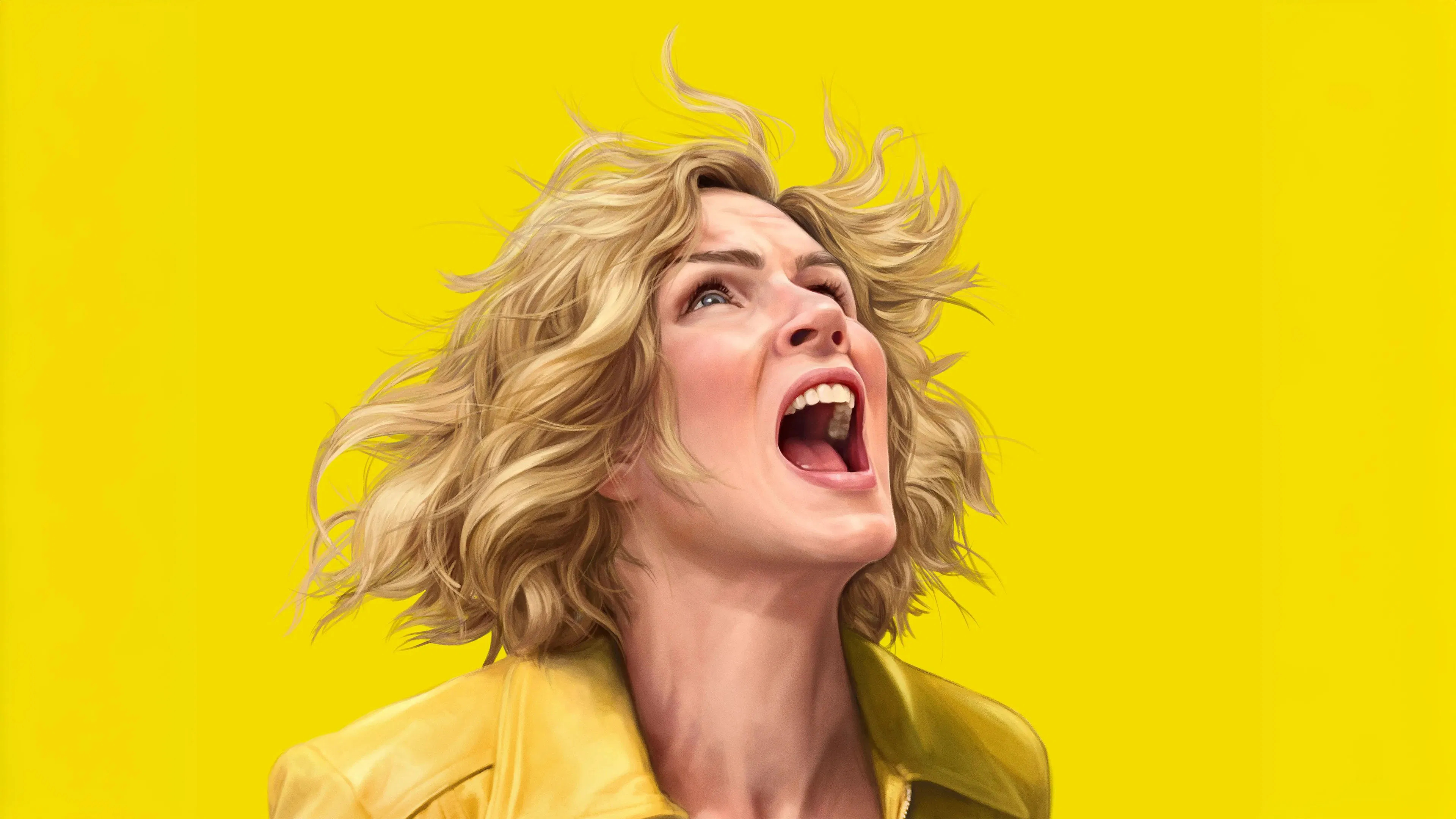
The recent Apple TV+ series stars Carol Sturka, a romance novelist who is one of a tiny handful of people who don’t succumb to “the joining”, an alien-derived virus that binds the rest of humanity into a disturbing hive mind.
Except for about a dozen people (including Carol), everyone on Earth shares the same brain, the same thoughts, and can feel the same things. Example: if one person gets hurt, it can result in millions suffering simultaneously. Honestly, the rules are a bit spotty here. Wouldn’t that mean everyone would suffer? At one point a lot of hive-minded people die due to an incident that should have killed everyone if the show’s creator—Breaking Bad’s Vince Gilligan—were being fully consistent.
But let’s not dwell on those specifics.
Just go with the “science” like you would watching Back to the Future without getting too wrapped up in the details. The key thing you need to know is that nearly every person on earth is eerily connected to each other to the point that no one is an individual anymore. Instead, they all speak in the third person, that “royal we”, so charmingly expressed in The Big Lebowski.
Before getting into the creepiness of the hive mind and its implications for real-life humanity, let’s acknowledge that the show never mentions AI. And yet the concept shows up throughout the series like software running silently in the background. It’s there even if no one mentions it.
Here’s one example. Throughout the show, Carol speaks with Zosia, her guide to “the others”, a term for collective humanity. Though Zosia is an amalgamation of human consciousness, she takes a pleasing form so she doesn’t spook Carol any more than she already has. Except that Zosia routinely speaks in the third person (“We’d like a coffee, etc.), she appears to be an individual.
One day, while Carol and Zosia are playing croquet, the true scale of the hive mind finally comes through. Zosia explains that she’s unbeatable at this game because she possesses “the combined knowledge of every living croquet champion.”
The moment I heard this line, I thought of ChatGPT and all the other AI platforms trained on all the data points their programmers could feed them. Chatting with Zosia—aka the collective sum of humanity—is like asking Grok for advice on how to style your hair. Unlike your buddy who’ll tell you to go to Fantastic Sam’s and get it over with, an AI could theoretically discuss every single haircut imaginable.
What’s that like in real life? All that knowledge is helpful. As for making a direct, personal connection? It’s jarring.
Zooming out, I can’t help but think that Gilligan understood the wider implications of this series. It’s no secret that sci-fi, especially his own show, The X-Files decades ago, often wrestle with societal issues. So why present this idea-laden show now? Does he want us to think more deeply about what it will mean when more people enjoy not just platonic relationships with AI, but romantic ones too?
I will leave that to you to ponder.
Because now it’s onto my next subject: theory of mind and just why this show is so unsettling. Theory of mind is the ability to understand another individual’s thoughts, beliefs, and desires. Kids as young as age 2 possess it. A toddler can look at a picture of Mickey Mouse and say if she thinks he’s happy or sad by the expression on his face.
As humans unattached to a hive mind (for now), we take it for granted that everyone we speak to is an individual with their own wants and desires. Society runs on this logic. It’s why businesspeople try to convert prospects. It why you say, “excuse me” to the person you bumped into on the train. It’s why we try to impress some people and antagonize others. In other words, it’s the underlying layer of reality so foundational we don’t notice it, like a fish doesn’t realize it’s swimming in water.
So, when you strip away that individuality like on Pluribus, life stops having any meaning. What’s the purpose of winning if we’re all on the same team? Why should I tell you that I love you if you’re already me and know that?
Does your head hurt yet? Wait until you watch the show.
For now, you’ve probably observed a curious phenomenon online, one Gilligan may have noticed when scripting his show: a flattening of the collective consciousness. You can see it on LinkedIn where disparate posts written on different profiles read like they were penned from the same mind.
As more people outsource their thinking to AI, especially the words they say and write, will we notice a Pluribus effect, one where increasingly reality feels mediated from one central source? Is this the concern that a creative (individual) mind like Gilligan is trying to raise? If so, he picked a wicked smart way to pull off his critique. And it didn’t take all of humanity’s brains to do it.
Yes! I couldn't agree more. Good point, Mariam. Although I, too, worry about those blurred lines.
It’s a good sign how jarring it is when you hear anyone in the ‘hive’ speak. Even though they hold the sum of all human knowledge, most people would still rather speak to an individual. However, I think those lines are starting to blur…